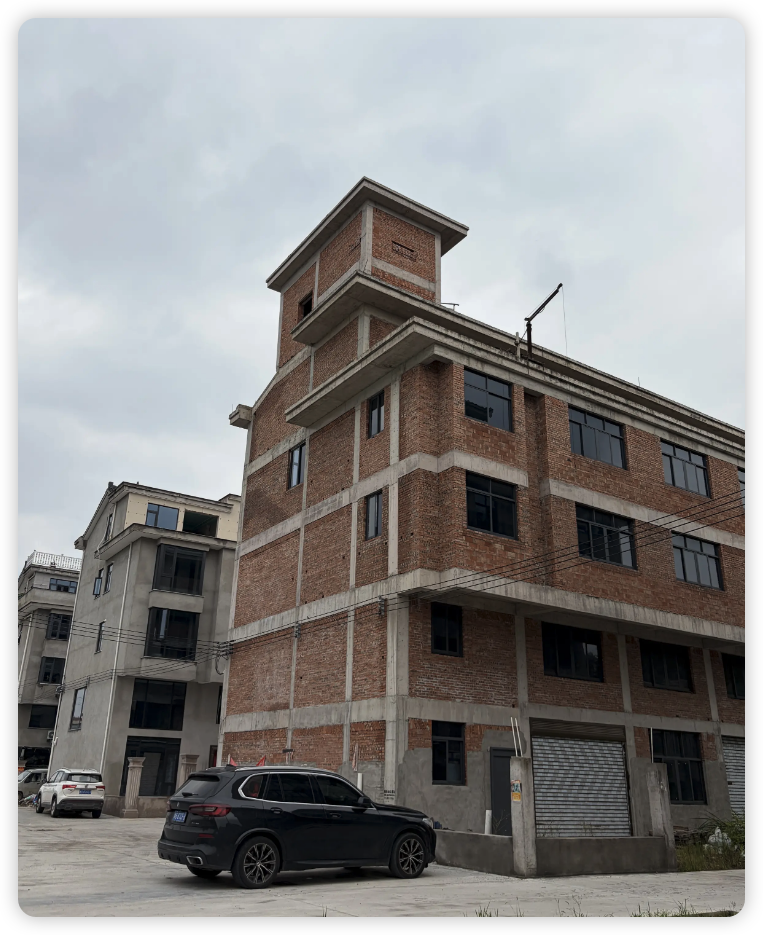
This weekend I went back to the village and walked around. Several of the newly built houses have a small structure sitting on their rooftops — a neat little box, like a tiny house on top of a big one. Ours doesn’t have one, and I found myself staring at them, genuinely puzzled.
After asking around and comparing notes with the people who actually built these houses, here’s the answer: it’s almost always the elevator room — the top of the elevator shaft poking above the roof line.
Why a House Would Have an Elevator on Its Roof
Let me explain, because it sounds weirder than it is.
Modern rural houses in our area (Yongkang, Zhejiang) are tall — four to five floors is normal now. And new builds almost always come with an elevator shaft built in from day one, because:
- Parents are getting older and stairs get harder every year.
- Moving furniture and groceries gets old fast.
- And honestly — if every new house in the village has one, you don’t want to be the one house without it.
Here’s the key engineering detail most people miss: the elevator’s machine room (where the motor lives) has to sit at the very top of the shaft. That means the shaft has to extend above the roof line — usually by a story’s worth of space. So builders put a neat little box up there to cover the motor and give the elevator room to work. From the street, it looks like a tiny house on the roof.
The Twist: Our House Has an Elevator, but No Box
Here’s the twist: my own family installed a home elevator not long ago (80,000 RMB, fully installed) — and our roof does not have this box. Why? Because home elevators come in two flavors:
- Machine-room models: the motor sits directly above the shaft, which has to poke through the roof — that’s the box you see.
- Machine-room-less (MRL) models: the motor hides inside the shaft or on its side, so nothing needs to stick out above the roofline.
Ours is the second kind. So the rooftop box isn’t a sign of “this house has an elevator” — it’s a sign of which elevator design they chose. That’s why some new houses in the same village have the box and others don’t.
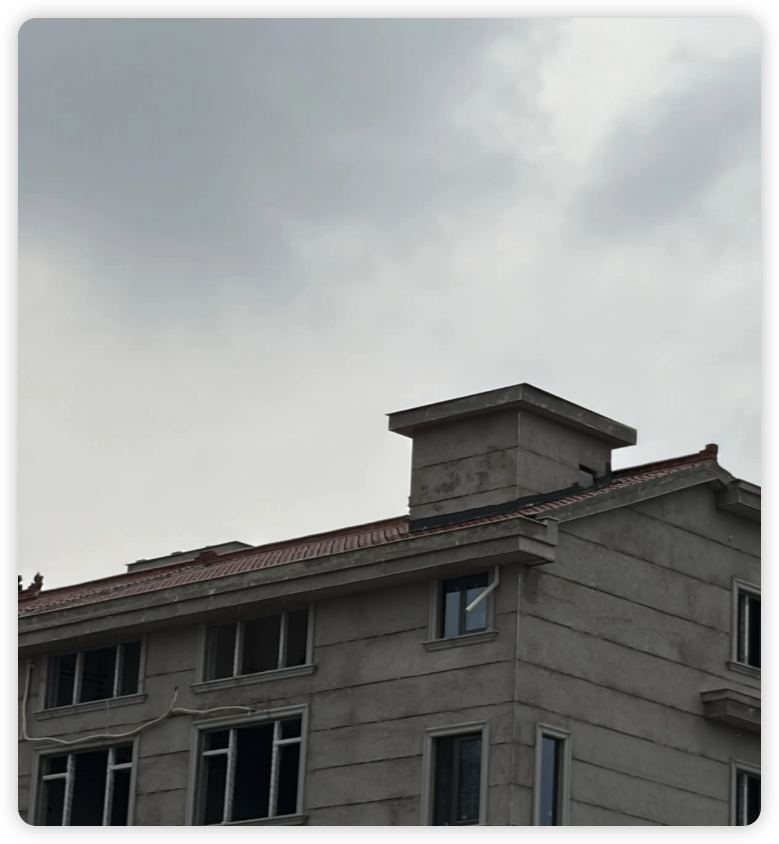
The Other Candidates, Ruled Out One by One
Before I found out, I had my own guesses, same as anyone would:
1. A water tower? Unlikely. These villages are on piped water now; nobody needs a rooftop tank anymore.
2. An elevator machine room? My first instinct said “no” — I thought home elevator motors were small. I was wrong. They’re small enough to fit in the shaft top, but the shaft still needs to breach the roof, and the box is what covers that breach.
3. “Just to be taller than the neighbors”? Maybe a side effect at most, never the main reason. Nobody builds a rooftop box just for height.
4. Storage? Rural houses have more rooms than they know what to do with. Nobody’s short on storage space.
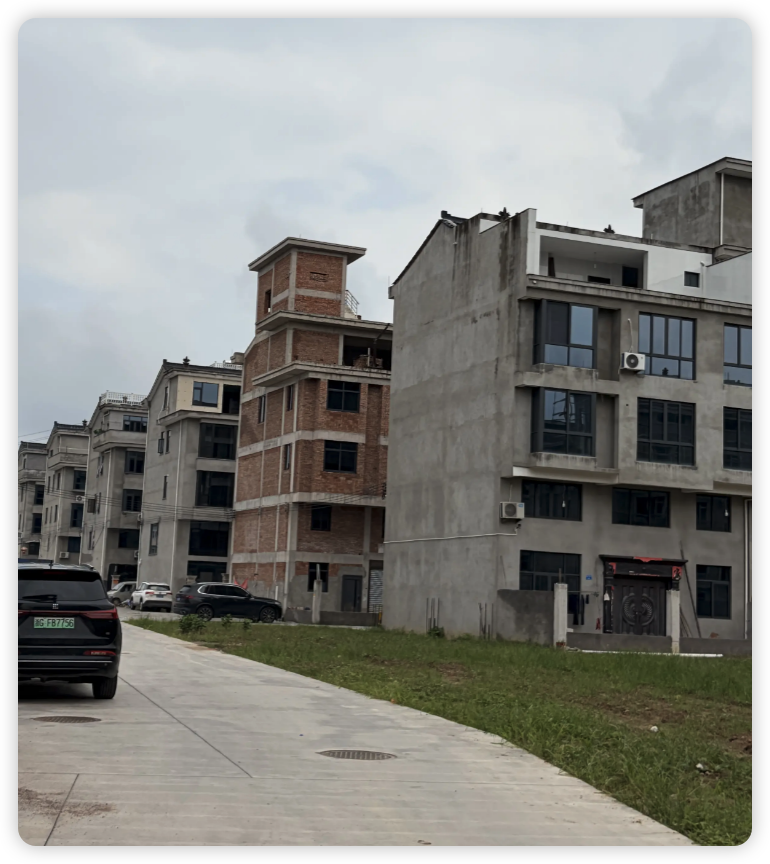
Wait — What About Houses Without Elevators?
Fair question. Some of the boxes aren’t elevators:
- Stairwell heads: if a house has a usable rooftop terrace or drying deck, the stairs need to reach it, and the stair shaft pokes above the roofline — same visual effect.
- Solar water heater housings and small equipment rooms exist too, but they’re smaller and less common.
Still, in a village where half the new houses are elevator-equipped, the rooftop box is overwhelmingly an elevator signature.
FAQ: Rooftop Structures on Chinese Rural Houses
What is the small house on top of rural Chinese homes?
It’s usually the elevator machine room — the top of the elevator shaft extending above the roofline. Modern rural houses in China are 4-5 floors tall and often include a home elevator.
Why do Chinese rural houses need an elevator?
New rural houses in areas like Yongkang, Zhejiang are multi-story (4-5 floors), built for aging parents and families with heavy items to move. Home elevators cost roughly 60,000–120,000 RMB installed.
Do all Chinese village houses have elevators?
Not all — but newer builds increasingly do, since elevator shafts are now often built into the design from the start. Houses without elevators may instead show a stairwell head above the roof.
How much does a home elevator cost in China?
A residential home elevator in rural China typically costs 60,000–120,000 RMB (~$9,000–18,000) fully installed, depending on size and brand.
Why do some houses with elevators have the rooftop box and others don’t?
It depends on the elevator design. “Machine-room” elevators need the motor above the shaft, so the shaft pokes through the roof (the box). “Machine-room-less” (MRL) elevators hide the motor inside the shaft, so nothing sticks out above the roofline.
Over to You
Seen these rooftop boxes in your town? What did you think they were for? And for readers outside China — do houses in your country have a similar structure when they install a home elevator?
I’d love to hear what people guessed where you live.
— Ying