Our estate started selling in 2008 — the year of the Beijing Olympics. My family moved in a year later, in 2009. The estate is mostly five- and six-storey buildings; only three towers are above eight floors, and we happen to live in one of them. So we have an elevator. And let me tell you, an elevator in an eight-storey building is not a luxury — it’s the difference between living in a building and being trapped in one.
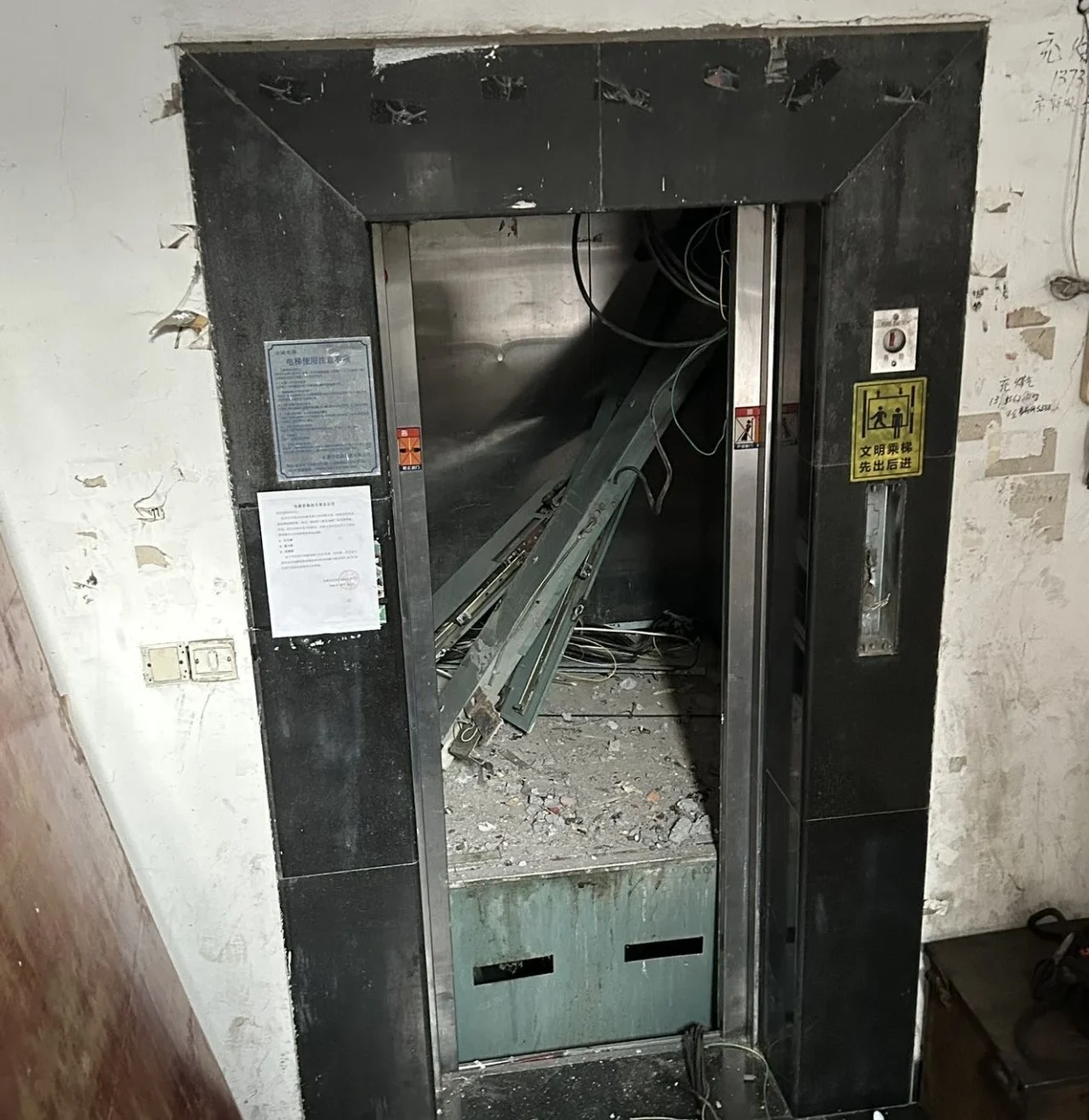
The elevator that needed air conditioning
Ours started acting up around 2019. At first it was occasional — a door that stuck, a floor that skipped. Then, at some point, the building management actually installed an air conditioner for the elevator. Yes, you read that right. In the summer our town regularly hits 40–50°C, the elevator shaft cooks, and the machine room overheats. The elevator gets air conditioning before most of us do.
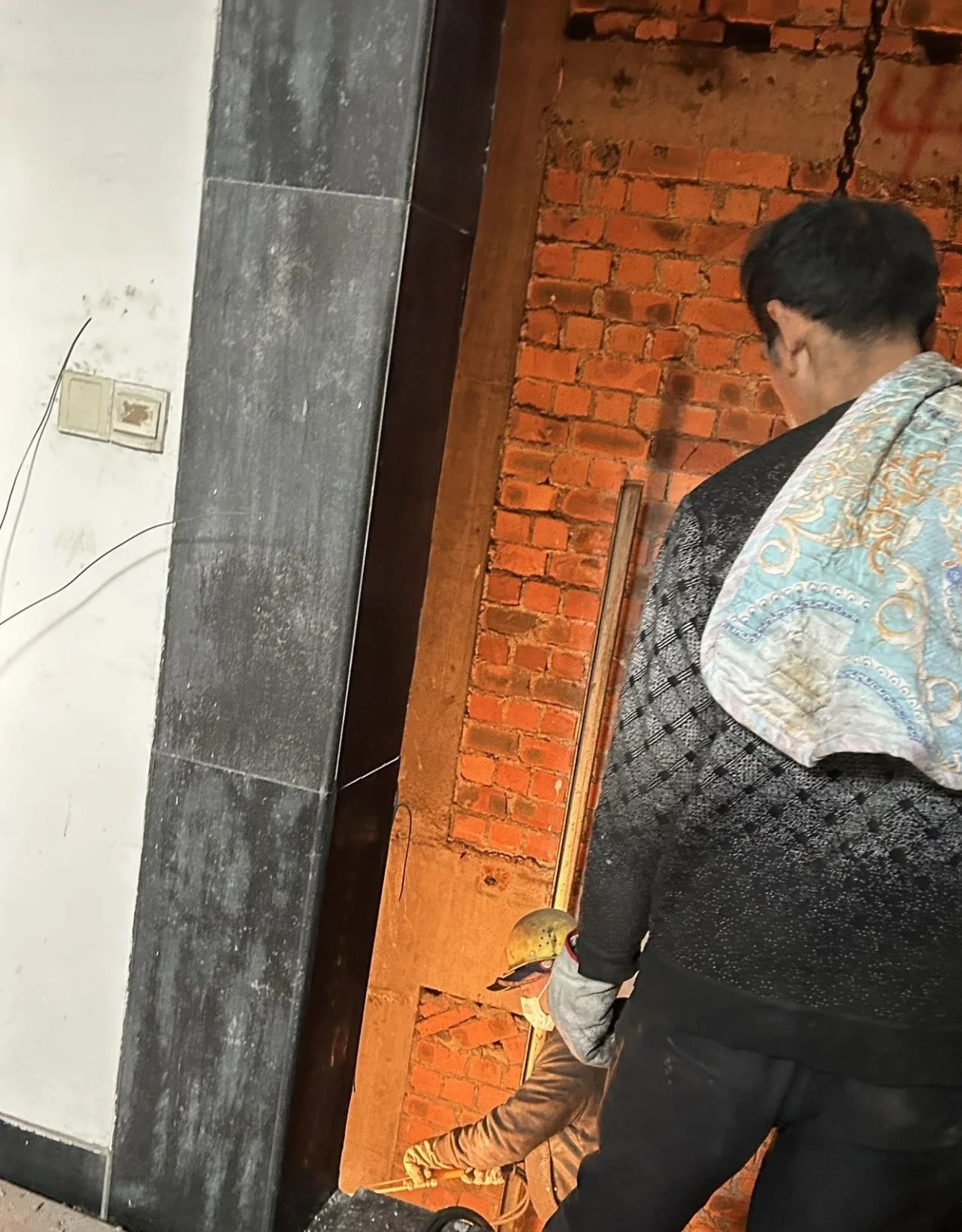
The lucky timing of a government policy
In 2024, there was a national policy to replace old elevators in aging residential estates — the “trade-in” scheme you may have heard about for cars and appliances, applied to elevators. Our estate qualified, so the old lift was replaced with a new one.
What 12 years of use actually feels like
Looking back, things went from “occasional glitch” to “frequent failure” around 2020. That’s about 12 years of daily use before the experience really started to suffer. Without the policy, we’d probably still be riding the old one — it worked, most of the time — but “it works most of the time” is a pretty low bar when you’re standing in a stalled lift between floors with your groceries.
The questions I’m left with
So: do elevators have a real lifespan? The common rule of thumb in China is that residential elevators start showing their age around 15 years and are usually replaced between 15 and 20. Ours was pushing that range when it got swapped out. A new elevator isn’t cheap — the replacement was covered by the policy, but I’ve seen estimates that a residential lift can cost anywhere from a hundred thousand to a few hundred thousand RMB.
What about where you live? How old is your building’s elevator, and how is it holding up? Does your country have a similar “trade-in” program for old elevators, or do people just keep riding them until they break?
I’m honestly curious — an elevator is one of those things everyone uses and nobody thinks about, until the day it stops working between your floor and the ground floor.
— Ying