Quick answer: yes, it was worth it — and here’s exactly what 80,000 RMB (~USD 11,000) gets you when you install a home elevator in a rural Chinese house, with numbers, not marketing.
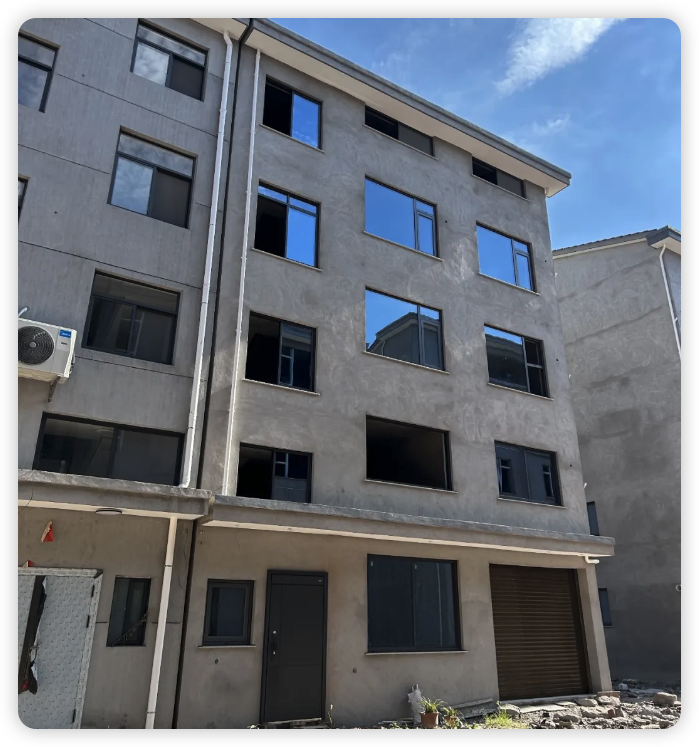
Our family house in Zhejiang is finally coming together — windows and doors are in, and we just finished installing the elevator. I’ll be honest: the moment it was installed, the whole house felt different. A private elevator makes a house feel… serious. And since quite a few of you keep asking about home elevators in China, let me break down the whole thing: why we did it, what we got, and what it really cost.
Why We Installed a Home Elevator in the First Place
Our house is three and a half floors, plus an attic and a rooftop terrace — call it five usable levels. That’s too many stairs for comfort. Three reasons drove the decision:
- Everyone does it now. New rural houses in our area all come with an elevator shaft pre-built. If you don’t install one, you’re the odd house in the village.
- My parents are getting older. Climbing three to five floors of stairs every day gets harder every year. An elevator keeps the house usable for decades.
- Moving stuff. Furniture, appliances, groceries — a trolley in an elevator beats carrying boxes up stairs, every single time.
What 80,000 RMB Actually Buys
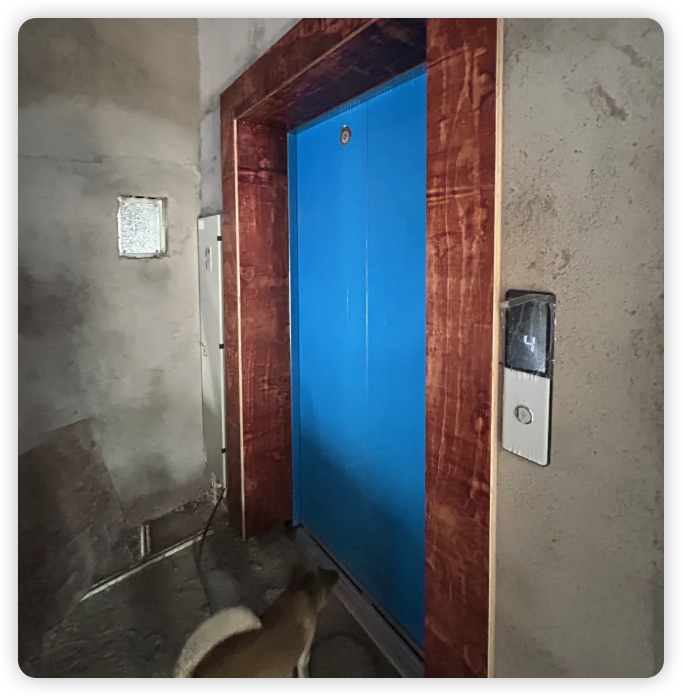
The price: 80,000 RMB (about USD 11,000), which covered everything — the elevator unit, materials, and installation. A crew of three took about one week to install it.
The specs (this is the part people actually search for):
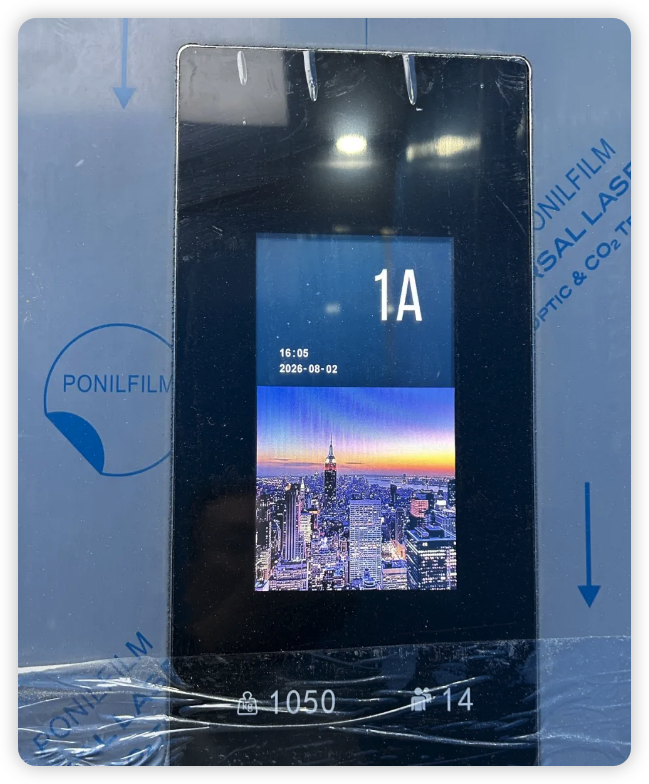
- Capacity: about 1,000 kg — roughly 14 people
- Door width: 1.1 meters (comfortably fits a trolley or a sofa)
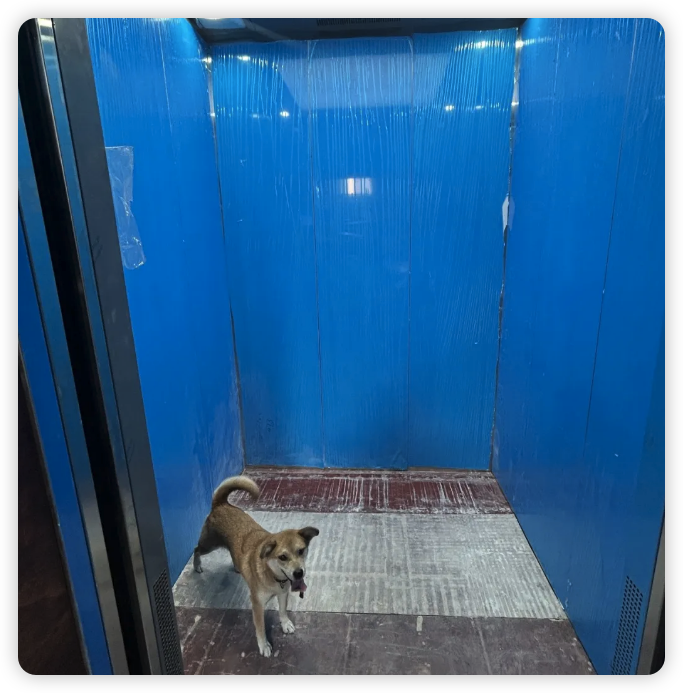
- Cabin: 1.5 × 1.6 × 2.3 meters — surprisingly roomy
- Speed: 1 m/s — plenty for a house
- Extras: a small display inside showing time and date
Warranty: 3–5 years (I honestly can’t remember which — my dad handled it). After it expires, we can pay the manufacturer a few hundred RMB a year for an inspection. Since we’re not renting the place out, usage is light and parts should wear slowly.
The Details Nobody Mentions
The elevator works. The installation, however, is not 100% finished:
- The cabin still needs to be wrapped in stainless steel cladding — and I’m already dreading the static shocks in winter (you know, the “噼里啪啦” sparks when you touch the handrail).
- The control cabinet is on the 4th floor.
- Our village doesn’t have the final power hookup yet — we’re running on temporary electricity, so the elevator stays mostly off until the house is fully finished and the road in front is paved.
Also — small moment of joy — our dog figured out how to ride it better than some of our guests. Give it another month and I swear it’ll be pressing the buttons itself.
Advice If You’re Thinking About Installing One
From my experience:
- Ride other people’s elevators first. Lots of rural families have them now. Go sit in a few, feel the size and speed, ask the owners what they’d do differently. Five minutes in someone else’s cabin beats reading brochures for a week.
- Choose a manufacturer with a local sales office. After-sales service is where cheap brands fall apart. A local rep means someone actually shows up when something breaks.
- Expect the extras. 80,000 RMB was the elevator price. Cladding, electricity, road access, and small finishing jobs all add up separately.
FAQ: Home Elevators in Rural China
How much does a home elevator cost in China?
A basic residential home elevator in rural China typically costs 60,000–120,000 RMB (about USD 8,500–17,000) installed. Ours cost 80,000 RMB including installation, with a 3–5 year warranty.
Do you need an elevator shaft to install one?
Modern rural houses in China often come with a pre-built elevator shaft. If you don’t have one, installers can build a shaft outside or retrofit one, but that adds cost.
Are home elevators safe?
Yes, when properly installed and maintained. Ours came with a multi-year warranty and we’ll pay the manufacturer for annual inspections after it expires — a few hundred RMB a year.
What size home elevator do I need?
For a typical 4–5 story family house, a 1,000 kg cabin (roughly 1.5 × 1.6 m, fitting 10+ people or furniture) is a comfortable choice. Our door is 1.1 m wide, which fits trolleys and sofas.
Over to You
Has anyone in your village installed a home elevator? What did it cost where you live — and do home elevators even exist as a thing in your country, or are they only for the rich?
I’d love to compare notes on what this costs around the world.
— Ying